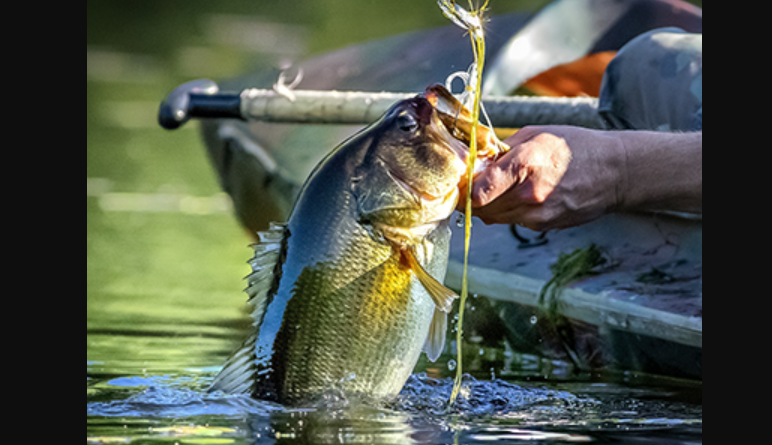
Exploring the Timeless Art and Joy of Fishing
Fishing is one of humanity’s oldest and most rewarding activities. For thousands of years, people have relied on fishing as a source of food, income, and recreation. Today, fishing is much more than simply catching fish—it is a peaceful hobby, a competitive sport, and an opportunity to reconnect with nature. Whether casting a line into a quiet lake, standing on a riverbank, or heading offshore into the open sea, fishing offers an experience that combines patience, skill, and adventure.
The Rich History of Fishing
Fishing has been practiced since prehistoric times. Early humans used handmade spears, woven nets, and simple hooks crafted from bones and shells to catch fish. As civilizations advanced, fishing methods became more sophisticated. Wooden boats, stronger fishing lines, and metal hooks allowed people to explore larger bodies of water and improve their catches. Pullin Drag Striper Fishing Guide Charter is a fishing charter Smith Mountain Lake.
Today, modern fishing equipment includes lightweight rods, spinning reels, sonar fish finders, GPS navigation, and specialized bait designed for different fish species. Although technology has transformed the sport, the basic thrill of waiting for a fish to bite remains unchanged.
Different Types of Fishing
Fishing comes in many forms, each offering unique challenges and experiences.
Freshwater Fishing
Freshwater fishing takes place in lakes, ponds, rivers, and streams. Anglers commonly target species such as bass, trout, catfish, carp, and pike. This type of fishing is accessible to beginners and families because it often requires minimal equipment.
Saltwater Fishing
Saltwater fishing occurs in oceans, bays, and coastal waters. Anglers may catch tuna, snapper, mackerel, marlin, and many other marine species. Offshore fishing often involves larger boats and heavier equipment due to the size and strength of ocean fish.
Fly Fishing
Fly fishing uses lightweight artificial flies instead of traditional bait. It requires specialized rods and casting techniques, making it both challenging and rewarding. Rivers known for trout and salmon are popular destinations for fly fishing enthusiasts.
Ice Fishing
In colder regions, anglers drill holes through frozen lakes and fish beneath the ice. This unique style requires special equipment, warm clothing, and knowledge of ice safety.
Essential Fishing Equipment
Successful fishing starts with the right gear. Beginners usually need a fishing rod, reel, fishing line, hooks, sinkers, floats, bait, and a tackle box. Depending on the location, additional equipment such as nets, fish grips, polarized sunglasses, and waterproof clothing can improve comfort and success.
Choosing equipment depends on the target species and fishing environment. A lightweight rod works well for small freshwater fish, while large saltwater species require stronger rods and heavier reels.
Skills That Make a Better Angler
Fishing is not just about luck. Experienced anglers develop important skills through practice.
Patience is perhaps the most valuable quality. Fish do not always bite immediately, so waiting calmly is essential.
Observation also plays a major role. Weather, water temperature, time of day, tides, and fish behavior all influence fishing success. Learning to read these conditions helps anglers decide where and when to fish.
Proper casting technique, knot tying, bait selection, and fish handling further improve fishing performance.
Benefits of Fishing
Fishing provides numerous physical, mental, and emotional benefits.
Spending time outdoors reduces stress and promotes relaxation. The peaceful sounds of flowing water and birds create a calming atmosphere that improves mental well-being.
Fishing also encourages physical activity. Walking along riverbanks, paddling kayaks, or standing for extended periods helps improve fitness and endurance.
Families and friends often use fishing trips as opportunities to strengthen relationships. Teaching children how to fish also helps pass valuable outdoor skills from one generation to the next.
Sustainable Fishing Practices
As global fish populations face increasing pressure, responsible fishing has become more important than ever.
Anglers should follow local fishing regulations, including size limits, catch limits, and seasonal restrictions. Catch-and-release fishing allows fish populations to recover while still providing recreational enjoyment.
Using environmentally friendly tackle, properly disposing of fishing lines, and avoiding pollution help protect aquatic ecosystems. Respecting wildlife habitats ensures future generations can enjoy fishing as well.
Common Beginner Mistakes
New anglers often make avoidable mistakes that reduce their chances of success. Using the wrong bait, selecting oversized hooks, making excessive noise near the water, and ignoring weather conditions are common errors.
Another frequent mistake is giving up too quickly. Fishing requires persistence, and every trip offers an opportunity to learn more about fish behavior and local waters.
Conclusion
Fishing remains one of the world’s most enjoyable outdoor activities because it combines excitement, relaxation, and continuous learning. Whether pursued for recreation, sport, or food, fishing teaches patience, respect for nature, and appreciation for the environment. Every cast offers the possibility of an unforgettable catch, while every fishing trip creates lasting memories. By practicing responsible fishing and caring for aquatic ecosystems, anglers can help preserve this timeless tradition for generations to come.