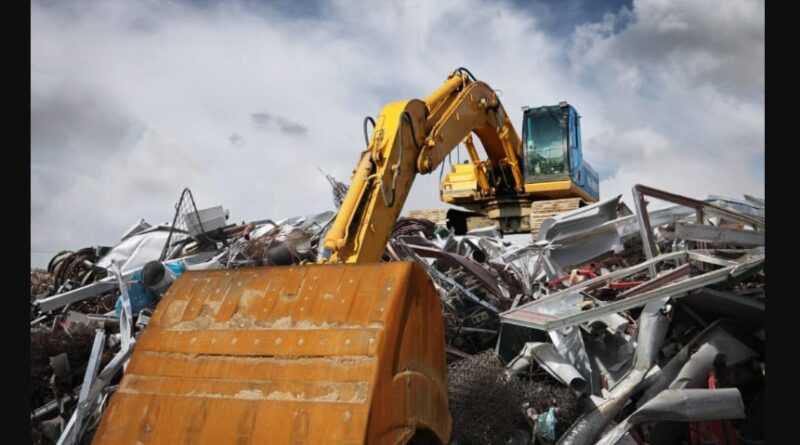
The Future of Metal Recycling And Its Impact
As industries grow and urbanization increases, the demand for metals continues to rise rapidly. However, natural metal resources are limited. This challenge has made metal recycling more important than ever. Today, advanced technologies and innovative practices are transforming metal recycling into a highly efficient and environmentally friendly industry. The future of metal recycling is not only about waste management but also about building a sustainable global economy. For metal recycling Central VA, contact BRC Co, Inc..
Evolution of Metal Recycling
Metal recycling has existed for centuries, but it has evolved significantly over time. In ancient civilizations, metals like bronze and iron were melted and reused for tools and weapons. In modern times, recycling has become an organized industrial process supported by advanced machinery and environmental regulations.
Today, countries across the world rely on metal recycling to meet industrial demands while reducing environmental impact. With growing awareness of climate change, recycling has shifted from an optional practice to a global necessity.
Advanced Technologies in Metal Recycling
Modern metal recycling uses cutting-edge technologies to improve efficiency and accuracy:
1. Automated Sorting Systems: Sensors, magnets, and artificial intelligence are used to separate different types of metals quickly and accurately.
2. Shredding Technology: Powerful shredders break down large metal objects such as cars and appliances into smaller pieces for easier processing.
3. Spectroscopy Analysis: This technology identifies metal composition to ensure high-quality recycling output.
4. Energy-Efficient Furnaces: New furnaces use less energy and produce fewer emissions during the melting process.
5. Robotics and AI: Automated systems reduce human labor and improve safety in recycling plants.
Global Impact of Metal Recycling
Metal recycling has a significant global impact, especially in reducing environmental degradation and supporting sustainable development goals.
- Resource Conservation: Recycling reduces dependence on mining, preserving natural ecosystems.
- Climate Change Mitigation: Lower energy consumption results in reduced greenhouse gas emissions.
- Industrial Growth: Many industries depend on recycled metals for cost-effective production.
- Waste Reduction: Helps manage the growing problem of industrial and electronic waste.
Role in the Circular Economy
Metal recycling is a key pillar of the circular economy model, where products and materials are reused instead of discarded. In this system, metals are continuously recycled, reducing waste and maximizing resource efficiency.
For example, an aluminum can may be recycled into a new can multiple times, reducing the need for raw material extraction. This closed-loop system ensures sustainability and long-term resource availability.
Future Trends in Metal Recycling
The future of metal recycling is expected to be shaped by several important trends:
- Increased Automation: More recycling facilities will use robots and AI systems.
- Urban Mining: Extracting metals from electronic waste will become more common.
- Green Energy Integration: Recycling plants will increasingly use renewable energy sources.
- Stricter Environmental Regulations: Governments will enforce stronger recycling policies.
- Improved Material Recovery: New technologies will increase the efficiency of metal recovery from complex waste.
Importance of Public Participation
While technology plays a major role, public awareness and participation are equally important. Individuals and businesses must actively participate in recycling programs. Proper disposal of metal waste, recycling old appliances, and supporting eco-friendly practices can significantly improve recycling efficiency.
Challenges Ahead
Despite progress, the industry still faces challenges such as:
- High operational costs for advanced recycling systems
- Difficulty in recycling complex electronic waste
- Lack of standardized recycling policies in some countries
- Environmental hazards from improper handling of scrap metal
Conclusion
The future of metal recycling is promising, driven by innovation, technology, and global environmental awareness. As the world moves toward sustainable development, recycling metals will remain a critical solution for conserving resources and protecting the planet. With continued investment in technology and increased public participation, metal recycling can help build a cleaner, greener, and more sustainable future for generations to come.


