How to Find a Reliable Auto Repair Shop for Your Vehicle
A reliable vehicle is important for commuting, family responsibilities, and everyday transportation. When a car develops a mechanical problem or requires routine maintenance, choosing a qualified auto repair shop can help drivers understand their vehicle’s needs and make informed decisions about repairs. For auto repair Lynchburg call Waterlick Garage & Tire.
Professional auto repair services cover a wide range of tasks, from oil changes and brake inspections to engine diagnostics and electrical troubleshooting.
Recognizing When Your Vehicle Needs Repair
Vehicles often provide warning signs when something is not working correctly. Unusual noises, dashboard warning lights, fluid leaks, vibration, reduced braking performance, and changes in fuel efficiency may indicate that inspection is necessary.
Ignoring these symptoms can allow some problems to become more complicated or expensive.
If a warning light appears or the vehicle behaves unexpectedly, consult the owner’s manual and arrange an appropriate inspection. Stop driving when symptoms suggest an immediate safety risk, such as brake failure, overheating, or loss of steering control.
Understanding Routine Vehicle Maintenance
Preventive maintenance helps keep important vehicle systems operating as intended. Common maintenance tasks include oil and filter changes, tire inspections, brake checks, battery testing, and replacement of worn components.
Maintenance schedules vary by vehicle manufacturer, model, age, and driving conditions. Following the service schedule in your owner’s manual is a useful starting point.
Drivers who frequently travel in heavy traffic, dusty environments, or extreme temperatures may need to pay particular attention to maintenance requirements.
Choosing a Qualified Auto Repair Shop
Before selecting an auto repair business, consider its experience, service capabilities, customer communication, and reputation.
Look for technicians who have relevant training and experience with your vehicle’s make and model. Some vehicles require specialized diagnostic equipment or manufacturer-specific repair knowledge.
Customer reviews can provide insight into scheduling, communication, and service experiences, although individual reviews should be considered alongside other information.
Asking Questions Before Authorizing Repairs
A professional repair shop should explain the problem, the recommended work, and the estimated cost before beginning significant repairs.
Ask which components need immediate attention and which issues can be monitored or addressed later. Request an itemized estimate that identifies labor, parts, and any additional fees.
If the diagnosis is unclear or the repair is expensive, you may choose to obtain a second opinion.
Understanding the difference between essential repairs and optional services helps customers make decisions that fit their budgets.
Understanding Diagnostic Services
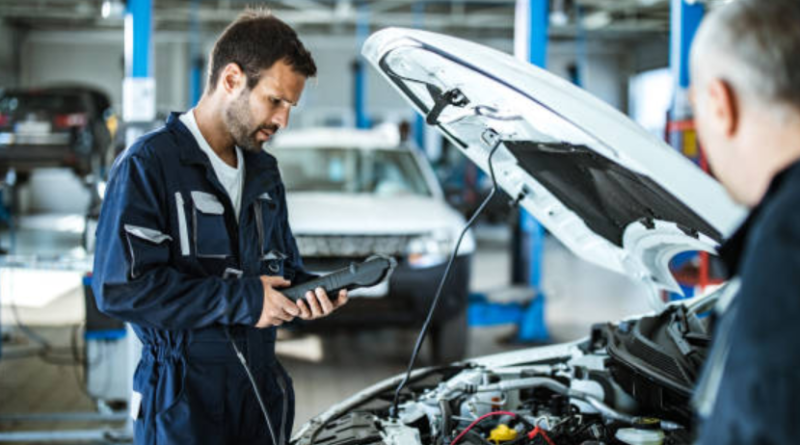
Modern vehicles contain electronic systems that monitor engine performance, emissions, safety features, and other functions. When a warning light appears, technicians may use diagnostic scanners to retrieve trouble codes.
A diagnostic code does not always identify the exact failed component. Additional testing may be needed to determine the underlying cause.
A thorough diagnosis can help prevent unnecessary part replacement and improve the accuracy of the repair.
Keeping Useful Service Records
Maintaining a record of repairs, inspections, and maintenance helps you track the vehicle’s condition over time. Save invoices, note the date and mileage of each service, and retain information about replacement parts.
These records can also be useful when selling the vehicle or discussing recurring problems with a technician.
Conclusion
Finding a reliable auto repair shop involves evaluating qualifications, communication, diagnostic capabilities, and service transparency. By following the manufacturer’s maintenance schedule, responding to warning signs, and asking clear questions before approving repairs, drivers can manage vehicle maintenance more effectively and make better-informed decisions.