Complete Guide to Effective Mold Removal
Mold is more than just an unpleasant stain on walls or ceilings. It is a living organism that thrives in damp, humid environments and spreads quickly if not controlled. Many homeowners underestimate mold, thinking it is only a cosmetic issue. In reality, mold can damage building materials, reduce indoor air quality, and trigger health problems such as allergies, asthma, and respiratory irritation. Understanding how to properly handle mold removal is essential for maintaining a safe and healthy home.
Common Causes of Mold Growth
Mold typically grows in places where moisture is present. Some of the most common causes include leaking roofs, broken pipes, poor ventilation, and flooding. Bathrooms, kitchens, basements, and areas around windows are especially vulnerable. Even small water leaks behind walls can create the perfect environment for mold to develop. High humidity levels above 60% can also encourage mold growth, especially in warm climates. For mold removal Lynchburg contact First Action Systems.
Identifying Mold in Your Home
Mold is not always visible at first. It often begins behind walls, under carpets, or inside HVAC systems. However, there are several signs that indicate its presence. A musty odor is one of the earliest warnings. Discoloration on walls or ceilings—such as black, green, or white patches—is another sign. People living in mold-infested environments may also experience frequent coughing, sneezing, watery eyes, or worsening asthma symptoms.
Health Risks Associated with Mold Exposure
Exposure to mold spores can affect individuals differently. For some, it causes mild allergic reactions, while for others it can lead to serious respiratory issues. Long-term exposure may aggravate chronic conditions and weaken immune responses. Children, elderly individuals, and people with pre-existing lung conditions are particularly vulnerable. This is why timely mold removal is not just about cleanliness but also about health protection.
Step-by-Step Mold Removal Process
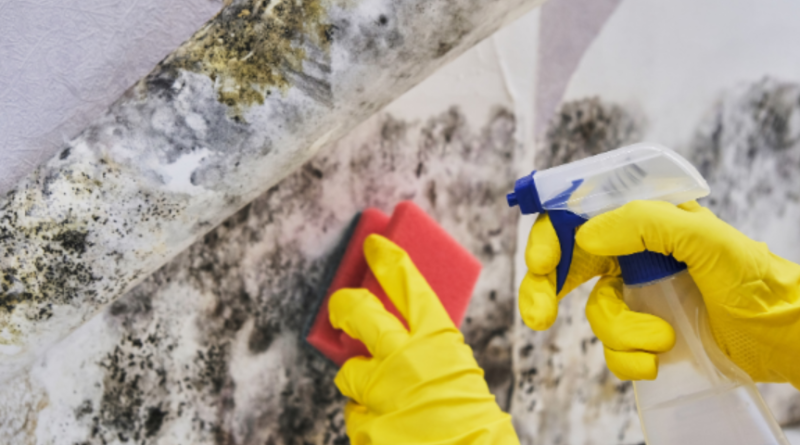
Proper mold removal involves several important steps. First, identify and eliminate the source of moisture. Without fixing the root cause, mold will return even after cleaning. Next, isolate the affected area to prevent spores from spreading. Use protective gear such as gloves, masks, and goggles before starting the cleaning process.
For non-porous surfaces like tiles or glass, a mixture of detergent and water can effectively remove mold. In some cases, vinegar or specialized mold cleaners may be used. For porous materials such as drywall or carpets, replacement is often necessary because mold penetrates deeply into these surfaces. After cleaning, the area should be thoroughly dried using fans or dehumidifiers.
Professional Mold Remediation vs DIY Methods
Small mold patches can often be handled with DIY methods, but large infestations require professional remediation. Experts use advanced equipment such as HEPA vacuums, air scrubbers, and moisture meters to ensure complete removal. They also identify hidden mold that is not visible to the naked eye. Hiring professionals may be more expensive, but it ensures a thorough and long-lasting solution.
Preventing Future Mold Growth
Prevention is the most effective strategy. Homeowners should regularly inspect plumbing systems and roofs for leaks. Bathrooms should be well ventilated using exhaust fans or windows. Dehumidifiers can help maintain optimal humidity levels. It is also important to clean and dry wet areas within 24–48 hours to prevent mold spores from developing.
Conclusion: A Clean Home is a Healthy Home
Mold removal is not just a cleaning task—it is an essential part of home maintenance and health protection. By understanding the causes, recognizing early signs, and applying proper removal techniques, homeowners can protect their property and well-being. Regular maintenance and moisture control are the keys to ensuring that mold never becomes a recurring problem.

