Auto Repair: How to Maintain Your Vehicle and Choose a Repair Shop
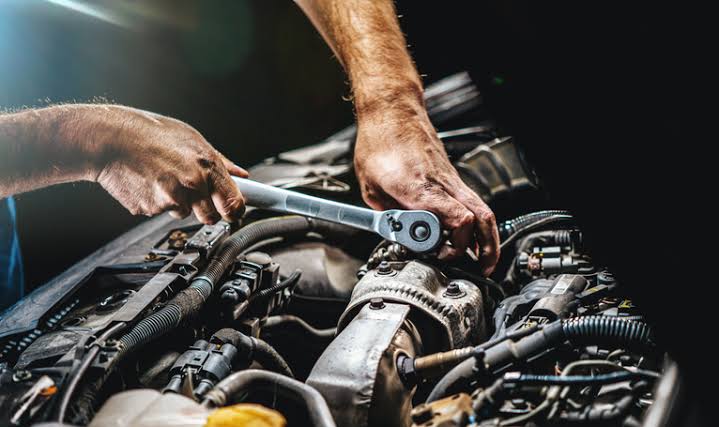
Auto repair involves diagnosing, maintaining, and fixing vehicle systems to support safe and reliable operation. Professional repair services may address engine problems, brakes, suspension, electrical systems, air conditioning, tires, and routine maintenance. For auto repair Lynchburg call Waterlick Garage & Tire.
What Services Does an Auto Repair Shop Provide?
Auto repair shops offer services ranging from basic maintenance to complex mechanical and electrical diagnostics.
Common services include:
-
Oil and filter changes.
-
Brake inspections and repairs.
-
Battery testing and replacement.
-
Tire rotation and balancing.
-
Engine diagnostics.
-
Suspension and steering repairs.
-
Cooling system maintenance.
-
Air conditioning repairs.
-
Transmission servicing.
-
Vehicle inspections.
The services available depend on the workshop’s equipment, technician training, and vehicle specialization.
How Do You Choose a Reliable Auto Repair Shop?
Look for a repair shop with relevant experience, suitable diagnostic equipment, transparent pricing, and a clear explanation of recommended work.
Ask whether technicians have experience with your vehicle’s make, model, and powertrain. Review customer feedback, warranty terms, and the shop’s process for obtaining approval before performing additional repairs.
Request an itemized estimate covering parts, labor, diagnostic charges, and applicable taxes.
A trustworthy mechanic should explain which repairs are urgent, which can be monitored, and why each recommendation is necessary.
Why Is Preventive Vehicle Maintenance Important?
Preventive maintenance can identify developing problems before they cause breakdowns or more expensive damage.
Follow the manufacturer’s maintenance schedule for engine oil, filters, fluids, tires, brakes, and other components.
Pay attention to warning lights, unusual noises, vibration, fluid leaks, changes in braking performance, and difficulty starting the vehicle.
Some warning signs require immediate attention. Brake failure symptoms, severe steering problems, overheating, or serious tire damage should not be ignored.
How Much Does Auto Repair Cost?
Repair costs depend on the vehicle, parts, labor rates, diagnostic complexity, and severity of the problem.
Original equipment parts, aftermarket components, and refurbished parts may differ in cost and suitability. Ask the shop to explain available options and any warranty differences.
For major nonurgent repairs, a second opinion may help you evaluate the recommendation.
Frequently Asked Questions
How often should I service my car?
Follow the manufacturer’s maintenance schedule and adjust for driving conditions, age, mileage, and vehicle usage.
Should I approve every recommended repair?
Ask for evidence, urgency, and estimated cost. Prioritize safety-critical problems and make informed decisions about less urgent work.
Why is my check-engine light on?
It can indicate problems ranging from a loose fuel cap to engine or emissions faults. Diagnostic testing is needed to identify the cause.


