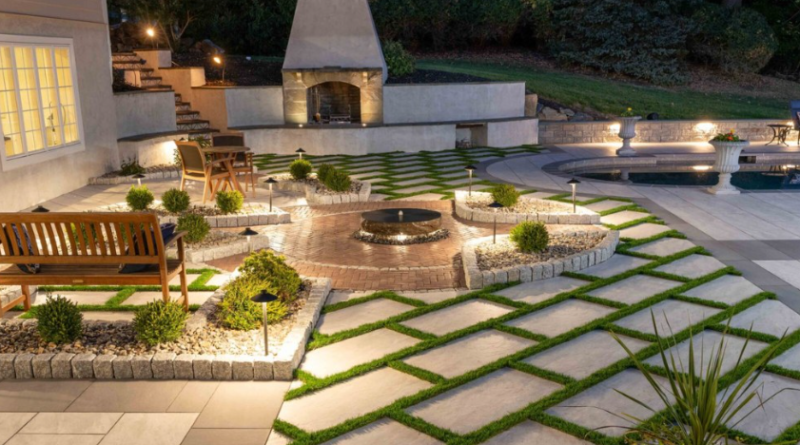
Hardscaping: Transforming Outdoor Spaces
Hardscaping refers to the non-living elements of landscape design, such as stone pathways, patios, retaining walls, driveways, outdoor kitchens, and other built features. While softscaping focuses on plants, trees, and greenery, hardscaping provides the structural foundation that shapes how an outdoor space is used and experienced. Together, they create a balanced and functional landscape, but hardscaping is what defines the layout, durability, and usability of the environment.
In modern landscaping, hardscaping has become increasingly important because it allows homeowners and designers to extend living spaces outdoors while adding long-term value and practicality to properties. For hardscaping Greensboro call Summit Landscape Innovations.
The Core Elements of Hardscaping
Hardscaping includes a wide range of materials and structures, each serving a different purpose in landscape design.
Patios and Outdoor Living Areas
Patios are one of the most common hardscape features. Built using materials like concrete, brick, natural stone, or pavers, patios create a stable surface for outdoor seating, dining, and entertainment. They often act as the central gathering point in a backyard.
Walkways and Pathways
Walkways guide movement through a landscape. They improve accessibility while also adding aesthetic flow. Materials such as gravel, flagstone, or interlocking pavers can be used depending on the desired style and budget.
Retaining Walls
Retaining walls are both functional and decorative. They prevent soil erosion on sloped land and create leveled areas for gardening or seating. These structures are typically made from stone, concrete blocks, or timber.
Driveways
A well-designed driveway is an essential hardscape feature that contributes to curb appeal. Beyond function, materials like stamped concrete or brick can elevate the visual impression of a property.
Outdoor Kitchens and Fire Features
Modern hardscaping often includes outdoor kitchens, fireplaces, and fire pits. These features turn a simple backyard into a fully functional living and entertainment space.
Benefits of Hardscaping in Modern Landscapes
Hardscaping offers numerous advantages that go beyond aesthetics.
Low Maintenance Design
Unlike plants and lawns that require watering, pruning, and seasonal care, hardscape features are relatively low maintenance. Once installed properly, they can last for decades with minimal upkeep.
Improved Usability of Space
Hardscaping allows homeowners to maximize the use of outdoor areas. Sloped, uneven, or unused land can be transformed into functional zones such as seating areas, gardens, or pathways.
Increased Property Value
A well-designed hardscape can significantly boost property value. Buyers often see patios, driveways, and outdoor living spaces as premium features that enhance lifestyle quality.
Better Drainage and Erosion Control
Proper hardscaping design helps manage water flow across a property. Features like retaining walls, drainage channels, and permeable pavers reduce erosion and prevent flooding issues.
Popular Hardscaping Materials
Choosing the right materials is crucial for durability and design consistency.
Natural Stone
Natural stone offers a timeless and elegant look. It is highly durable and blends well with outdoor environments, making it ideal for patios, walkways, and walls.
Concrete
Concrete is versatile and cost-effective. It can be molded into various shapes and textures, including stamped or colored designs that mimic stone or brick.
Brick
Brick provides a classic aesthetic and is often used in traditional landscape designs. It is strong, durable, and visually appealing.
Pavers
Interlocking pavers are popular due to their flexibility and ease of repair. If one section is damaged, it can be replaced without disturbing the entire surface.
Wood and Composite Materials
Wood is often used in decks and pergolas, while composite materials offer a longer-lasting alternative with less maintenance.
Design Principles for Effective Hardscaping
Successful hardscape design requires careful planning and balance.
Functionality First
Every element should serve a purpose, whether it is improving access, supporting drainage, or creating usable space.
Balance with Softscaping
Hard elements should complement greenery, not overpower it. A good design integrates plants, trees, and flowers with built structures for a natural feel.
Consistent Style
Materials, colors, and textures should align with the overall architectural style of the home. For example, modern homes often use clean lines and concrete, while rustic homes may prefer stone and wood.
Proper Scale and Proportion
Hardscape features must match the size of the property. Oversized structures can overwhelm small spaces, while too-small elements may look insignificant in large yards.
Common Mistakes in Hardscaping Projects
Even well-planned projects can go wrong if certain factors are ignored.
One common mistake is poor drainage planning, which can lead to water pooling or structural damage. Another issue is overbuilding—adding too many features without leaving space for greenery or open areas. Using low-quality materials may also reduce the lifespan of the project, leading to costly repairs.
Additionally, ignoring professional installation standards can result in uneven surfaces, shifting pavers, or cracked concrete over time.
Conclusion
Hardscaping plays a vital role in creating functional, beautiful, and long-lasting outdoor spaces. It provides structure, improves usability, and enhances the visual appeal of any landscape. When designed thoughtfully and combined with natural elements, hardscaping transforms ordinary yards into well-balanced outdoor living environments.
Whether it is a simple garden pathway or a fully equipped outdoor kitchen, hardscaping continues to be an essential part of modern landscape design, offering both practical benefits and lasting aesthetic value.


