Beyond the Border: Your Essential Guide to a Transnistria Day Trip from Chișinău
A day trip to Transnistria from Chișinău is one of the most intriguing and politically fascinating experiences you can undertake in Europe. It’s a journey that crosses not only a geographical boundary but also a political, temporal, and ideological one. Transnistria, officially known as the Pridnestrovian Moldavian Republic (PMR), is a self-declared state, internationally recognized as part of Moldova. Since a brief, brutal war in 1992, it has existed in a state of frozen conflict, operating with its own government, currency, and security forces. Its deeply Soviet aesthetic remains a stark reminder of the region’s ideological ties to the past. For the curious traveler, visiting Transnistria is not just a chance to see a unique place—it’s a profound lesson in geopolitics, 20th-century history, and the complexity of post-Soviet identity.
Here’s what to expect from Transnistria trips from Chisinau, along with vital tips and recommendations for a safe, enjoyable, and intellectually stimulating excursion.
What to Expect: A Journey in Three Acts
Act I: The Crossing – A Portal to Another Reality
Your day trip to Transnistria begins with a scenic drive east from Chișinău. After about an hour, the landscape gives way to the de facto border along the Dniester River, the natural divider between Moldova and Transnistria. This border crossing marks your first encounter with the region’s complex political status.
At the military-style checkpoint, you will be greeted by uniformed guards bearing the PMR insignia. If you are traveling on a Transnistria trip from Chișinău with a reputable tour company, your guide will handle the logistics of the crossing, including presenting pre-arranged paperwork and helping you navigate the formalities. For independent travelers, however, you’ll need to fill out a migration card and interact with the authorities. The border process is efficient but formal, and you will be issued a small paper slip upon entering, which you must guard carefully, as it must be surrendered when you leave Transnistria.
Crossing this non-border is your first step into a different political and cultural reality. Unlike the European Union, where borders have become largely invisible, here you’ll feel the transition immediately—both physically and mentally—into a region that operates under its own rules, language, and governance.
Act II: Tiraspol – A Soviet Time Capsule
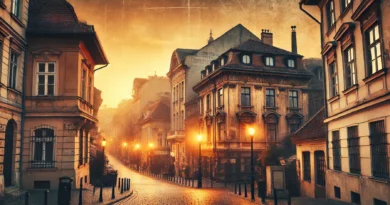
Once you cross into Transnistria, your journey takes you to the capital city, Tiraspol. The city feels like a Soviet-era time capsule, frozen in the early 1990s, with its faded Soviet modernist architecture, towering monuments, and nostalgic elements of the former Soviet Union.
Main Sights in Tiraspol:
- Alexander Suvorov Monument: The statue of Russian General Alexander Suvorov, the founder of Tiraspol, dominates the city’s central square. Suvorov’s military legacy is an enduring symbol of Russia’s influence on Transnistria, which is evident throughout the city.
- The Supreme Soviet Building & Lenin Statue: The heart of Tiraspol’s political landscape is the imposing Supreme Soviet building, where the region’s government operates. In front of the building stands a massive statue of Vladimir Lenin, one of the last publicly displayed statues of the Soviet leader in Eastern Europe. The statue is a powerful reminder of the region’s Soviet ties and enduring ideological symbols.
- The October Revolution Boulevard: This main avenue runs through the city and is lined with administrative buildings, including the House of Soviets. Walking along this boulevard, you’ll encounter the same utilitarian, grand Soviet architecture that characterized the region during the late 20th century. The street is also home to Soviet-era symbols such as the hammer-and-sickle emblem, creating an atmosphere of melancholy nostalgia.
- The Kvint Brandy Factory: One of the highlights of Tiraspol is a visit to the Kvint Brandy Factory. Founded in 1897, Kvint is the region’s most famous producer of brandy. The factory’s flagship store is a must-visit for those who appreciate quality spirits. A guided tour through the facility and a tasting session provide an insight into one of Transnistria’s most significant exports. It’s also an opportunity to purchase a bottle of the region’s pride—an experience that represents a taste of Transnistrian identity.
Act III: Bendery – Echoes of Conflict
After exploring Tiraspol, the tour will typically move on to Bendery (Tighina), a city that holds significant historical meaning due to its role in the 1992 war between Moldova and Transnistria. While Tiraspol represents Transnistria’s administrative center, Bendery offers a more direct connection to the region’s military history and the violent conflict that led to Transnistria’s self-declaration of independence.
Main Sights in Bendery:
- The Bendery Fortress: This 16th-century Ottoman fortress is one of the most iconic historical sites in Bendery. The fortress has been through many historical changes and today houses a museum that provides the Transnistrian narrative of the 1992 conflict. A visit to the fortress offers a glimpse into the military past of the region, with displays dedicated to the defense of Transnistria.
- The War Memorials: Bendery is also home to the Memorial to the Fallen, a war memorial with an eternal flame, dedicated to those who fought in the 1992 war. Nearby, a Soviet-era T-34 tank is proudly displayed as a tribute to the soldiers who fought for Transnistria’s independence. These memorials provide essential context for understanding the region’s ongoing struggles and national identity. The experience is deeply emotional and educational, shedding light on the hardships Transnistrians have endured.
In Bendery, you’ll also encounter markets, parks, and cafes, where life continues at a peaceful pace. However, the city’s visual landscape is steeped in symbols of Transnistrian identity, including hammer-and-sickle emblems, Russian flags, and Cyrillic script, which constantly remind visitors of the region’s unique political status.

Top Tips & Recommendations for a Smooth Visit
1. Book a Guided Tour
If you’re planning your Transnistria trip from Chișinău, booking a guided tour is the #1 recommendation. Navigating this politically complex region on your own can be difficult and time-consuming, so relying on a reputable operator with expertise in day trips to Transnistria is essential for a hassle-free experience. Operators such as Moldova Holidays, Noble Travel, and Ahead & Around offer tours that handle all the logistics, including pre-registration with Transnistrian authorities, transportation, and border crossing assistance. They also provide expert bilingual guides who can offer invaluable context about Transnistria’s political and historical background. Private tours are recommended for deeper engagement and candid conversations.
2. Passport Essentials
A physical passport is required to enter Transnistria. Make sure your passport has at least six months of validity remaining. Upon crossing the border, you will receive an entry slip that must be retained and surrendered when you leave. Ensure you keep your passport and entry slip in a safe place.
3. Observe Photography Rules
While Transnistria offers plenty of photo opportunities, you must respect local regulations. Do not photograph military installations, checkpoints, soldiers, or government buildings—these are strictly off-limits. Ask your guide for guidance, and when in doubt, simply refrain from taking photos.
4. Understand the Currency
Transnistria uses its own currency, the Transnistrian Ruble, which consists of non-convertible plastic coins and paper notes. You can only exchange money for this currency while in the region. Make sure to exchange some Moldovan Lei or Euros before the trip for small purchases like souvenirs, lunch, or Kvint brandy. Note that credit cards are rarely accepted, so it’s important to carry enough cash.
5. Respect the Local Culture
Transnistria is a region with a strong sense of identity and a recent, traumatic history. Approach your visit with respect and curiosity. Avoid political debates or comments about the region’s status. Listen to the stories of the locals, and engage in thoughtful, respectful conversation. The trip is an opportunity to learn about a region that exists in a delicate political space.
6. Manage Your Expectations for Amenities
Transnistria is not a polished tourist destination, so it’s important to manage your expectations. While there are cafes and restaurants (such as Kumanek in Tiraspol for local food), you may not find English menus or card payment systems. ATMs are rare, and foreign cards may not be accepted. Cash is king, so be sure to bring enough to cover your expenses.
7. Plan for a Full Day
A day trip to Transnistria typically lasts between 8 and 10 hours. Don’t rush the experience. The value of the trip lies in the opportunity to absorb the atmosphere of the region, reflect on the political context, and explore the key sights at a leisurely pace.
Conclusion
A Transnistria trip from Chișinău offers a unique and intellectually stimulating opportunity to explore one of Europe’s most fascinating and enigmatic regions. From the Soviet time capsule atmosphere of Tiraspol to the military echoes of Bendery, this day trip will provide you with a deeper understanding of the complexities of post-Soviet identity, conflict, and the ongoing geopolitical struggles that define this region.
Whether you’re a history enthusiast, a political observer, or simply someone looking for an off-the-beaten-path experience, a Day trips to Transnistria is a journey like no other. With the right preparation, a reputable guide, and a respectful attitude, you’ll walk away with a greater understanding of this politically charged part of Europe. Don’t miss the chance to embark on this unforgettable adventure into a region frozen in time, where history, politics, and culture collide in the most fascinating ways.