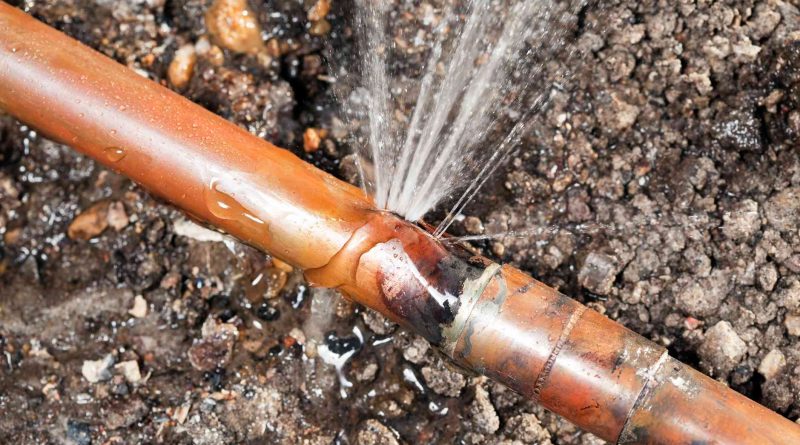
Water Line Repair: Common Problems, Warning Signs, and Professional Solutions
A reliable water supply is essential for every residential and commercial property. Water lines transport clean water throughout buildings, supporting everyday activities such as cooking, cleaning, bathing, and sanitation. When a water line becomes damaged, leaking, or blocked, it can interrupt daily routines and potentially cause significant property damage.
Understanding common water line problems and recognizing early warning signs can help property owners arrange timely repairs. For Roanoke water line repair contact Roger’s Plumbing & Trenching.
Understanding Water Line Problems
Water lines are an important part of a property’s plumbing system. They connect the main water supply to the building and distribute water through different fixtures and appliances.
Over time, pipes may develop problems because of corrosion, aging materials, ground movement, freezing temperatures, excessive pressure, or physical damage.
Even a small leak can become a larger concern if it remains undetected.
Common Signs That a Water Line Needs Repair
Several warning signs may indicate a problem with a water supply line.
1. Unexpected Increase in Water Bills
A sudden increase in water consumption without a corresponding change in usage may indicate a hidden leak.
2. Reduced Water Pressure
Low water pressure throughout the property can result from leaks, blockages, damaged pipes, or problems with the main supply.
3. Wet Spots and Standing Water
Unexplained wet areas in the yard, damp flooring, or water pooling near a foundation may suggest an underground or concealed pipe leak.
4. Discolored Water
Brown, yellow, or cloudy water may indicate corrosion, sediment, or another supply issue that requires investigation.
5. Unusual Plumbing Sounds
Hissing, bubbling, or running-water sounds when fixtures are turned off can sometimes indicate a leak or pressure problem.
Why Professional Water Line Repair Is Important
Water line problems can be difficult to diagnose because pipes may run beneath floors, behind walls, or underground.
Professional plumbers use appropriate inspection methods to identify the source of the problem. Depending on the situation, they may use pressure testing, visual inspection, leak detection equipment, or camera inspections.
Accurate diagnosis helps prevent unnecessary excavation and allows technicians to recommend an appropriate repair.
Common Water Line Repair Methods
The repair method depends on the pipe material, location, age, and extent of the damage.
Leak Repair: Small damaged sections may be repaired or replaced after the affected area has been located.
Pipe Section Replacement: Severely corroded or cracked sections may require replacement with compatible materials.
Underground Water Line Repair: Underground leaks may require excavation or specialized trenchless techniques where suitable.
Water Line Replacement: Older systems with widespread deterioration may benefit from replacing the entire affected line.
A qualified professional should assess the system before recommending a solution.
Steps Property Owners Can Take
When a water line problem is suspected, property owners should monitor the affected area and avoid attempting complicated repairs without suitable knowledge.
If there is an active leak, shutting off the appropriate water supply can help limit damage. Keep electrical equipment away from standing water and contact a licensed plumbing professional.
It is also helpful to record unusual symptoms, water bill changes, and the locations of visible moisture.
Preventing Future Water Line Problems
Regular plumbing inspections can help identify deterioration before it becomes a major issue. Property owners should monitor water pressure, address minor leaks promptly, and protect exposed pipes from extreme temperatures where relevant.
Maintaining proper drainage around the property may also reduce certain risks associated with underground pipe movement.
Conclusion
Water line repair is essential for maintaining a dependable plumbing system and protecting property from water damage. Recognizing warning signs, understanding common pipe problems, and contacting qualified professionals can help restore normal water service. Regular inspections and timely maintenance also support long-term plumbing reliability.