What Makes a Great Restaurant Experience
Anyone can serve food, but a truly great restaurant creates an experience people want to repeat and recommend. Behind every successful dining room are a handful of consistent principles that diners feel even when they can’t name them. Looking for restaurants Lynchburg try Shakers.
Quality and Consistency of Food
Naturally, the food comes first. Fresh ingredients, thoughtful preparation, and balanced flavors set the foundation. Equally important is consistency. A dish that’s exceptional on Tuesday but disappointing on Saturday erodes trust. Successful kitchens rely on standardized recipes, careful training, and disciplined quality checks.
A Focused Menu
A sprawling menu can signal a kitchen stretched too thin. Many of the best restaurants offer a focused selection that they execute extremely well. A concise menu also reduces waste, speeds service, and helps diners decide. Seasonal changes keep things fresh and let chefs highlight ingredients at their peak.
Service That Feels Natural
Great service is attentive without hovering. Servers greet guests promptly, know the menu thoroughly, and anticipate needs before being asked. They can make recommendations, accommodate dietary restrictions, and handle mistakes gracefully. A single mishap, such as a delayed entrée, can be forgiven when staff respond with warmth and honesty.
Atmosphere Matters
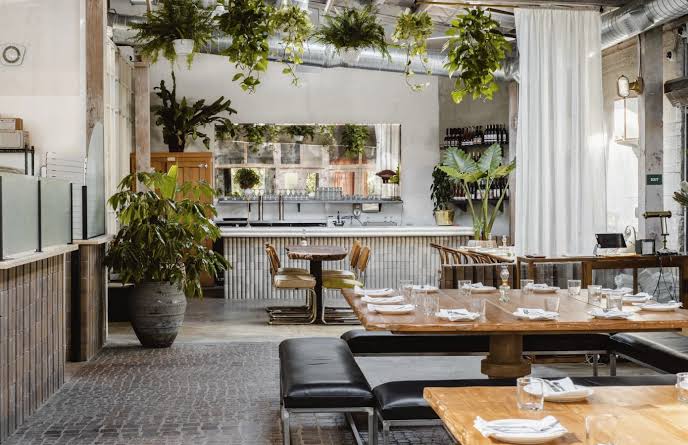
Lighting, music, seating, and décor shape how a meal feels. A romantic bistro and a lively taproom call for different atmospheres, but each should feel intentional. Noise level is a frequently overlooked factor; guests who can’t hold a conversation rarely leave happy. Cleanliness, from the entrance to the restrooms, signals care throughout the operation.
Value, Not Just Price
Diners don’t necessarily want the cheapest meal; they want to feel they received fair value. Generous portions, creative touches, and genuine hospitality can justify a higher price. Transparency in pricing, including clear menu descriptions and no surprise fees, builds goodwill.
Dietary Awareness
Modern diners increasingly seek vegetarian, vegan, gluten-free, and allergy-friendly options. Restaurants that handle these requests thoughtfully, including clear labeling and careful kitchen practices, earn loyalty from groups that otherwise struggle to find a place to eat.
Online Presence and Reputation
Today, many guests discover restaurants online. Up-to-date hours, appealing photos, an accurate menu, and easy reservations all matter. Responding professionally to reviews, both positive and negative, shows that management cares. A single thoughtful reply to criticism can win back a customer and impress those reading.
Local Roots and Community
Restaurants that source from nearby farms, support local events, and reflect the character of their neighborhood often develop devoted followings. Guests enjoy knowing the story behind their meal.
Tips for Diners
- Make reservations for busy times.
- Share dietary needs when ordering.
- Ask servers for recommendations.
- Be patient and kind; restaurant work is demanding.
- Tip fairly for good service.
The Business Behind the Plate
Running a restaurant is notoriously challenging, with thin margins, rising costs, and intense competition. Success depends on managing food costs, scheduling efficiently, and maintaining standards through busy and slow periods alike.
Final Thoughts
A great restaurant blends excellent food, warm service, inviting atmosphere, and fair value. When those elements come together, a meal becomes a memory. The next time you find a place that gets it right, return, bring friends, and let the owners know you appreciate their work.


